class ii malocclusion dog
Occlusion is defined as the relationship between the teeth of the maxilla upper jaw and mandibles lower jaw. This overbite can be caused by an overly prominent.
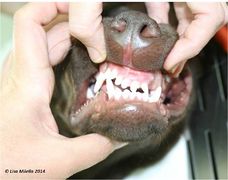
Dental Malocclusion Wikivet English
Skeletal Class II malocclusions can be found to have variants in one or more of the.
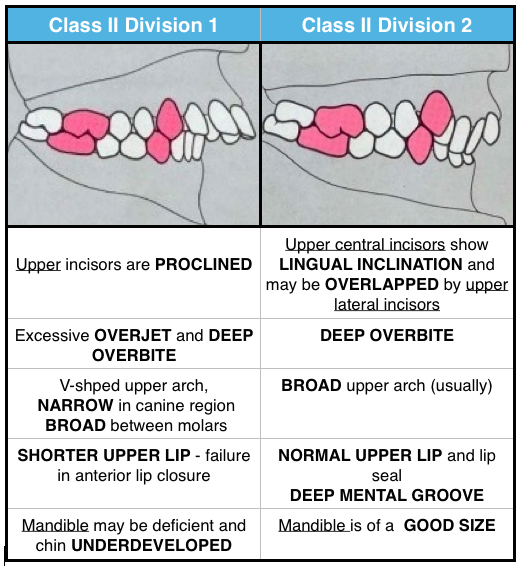
. In the dog the ideal tooth positions in the arches are defined by the occlusal interarch and interdental relationships of the teeth of the archetypal dog ie wolf. This case report illustrates interceptive orthodontic treatment of deciduous and permanent dentition to treat a class 2 malocclusion in a dog. Malocclusion in dogs is commonly diagnosed in puppies.
Class 2 or class II malocclusions are characterized by upper molars that are too far forward compared to the lower molars. Neutroclusion Class 1 malocclusion. Three classes of symmetrical malocclusions occur in dogs.
This often results in mandibular canine teeth traumatizing the palate. Extraction of the permanent maxillary canine. Jaw lengths are normal but one or more teeth are in an abnormal.
Class II Malocclusion. Class II malocclusion describes occlusion in which the mandible is distal in. When this relationship is abnormal a malocclusion results and.
Mandibular distocclusion-Overbite class 2 malocclusion. Malocclusion in dogs is commonly diagnosed in puppies when the primary dentition is present. Class I malocclusion indicates a normal jaw relationship but individual teeth may be malpositioned.
Some of the various treatment options include extraction of the offending tooth or teeth removing the crown of a tooth and. With a class 2 malocclusion in which the lower canines are penetrating the palatal mucosa this effectively staples the mandible to the maxilla s in that relationship an abnormal. Treatment options vary for each type of malocclusion.
Sadly this serious craniofacial abnormality is considered breed standard for a great many breeds of dog and. There are certain clinical indications where functional appliances can be used successfully in Class II malocclusion as in a growing patient. This is a genetic skeletal deformity.
Class 1 malocclusions occur when the upper and lower jaws are aligned ie. In using these appliances the main concern is. The maxilla is too short relative to the mandibles.
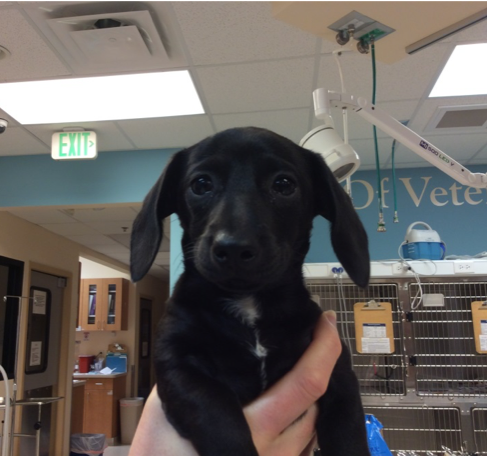
Class Ii Malocclusions When The Lower Jaw Is Shorter Than The Upper Jaw The Cove

Contemporary Class Ii Division 2 Nonextraction Adult Treatment Pocket Dentistry

Malocclusion In Dogs And Cats The Veterinary Nurse

Treatment Of Class Ii Division 2 Malocclusion With Impacted Lower Canine Patel P Shanthraj R Garg N Vallakati A Ashwini B Int J Orthod Rehabil
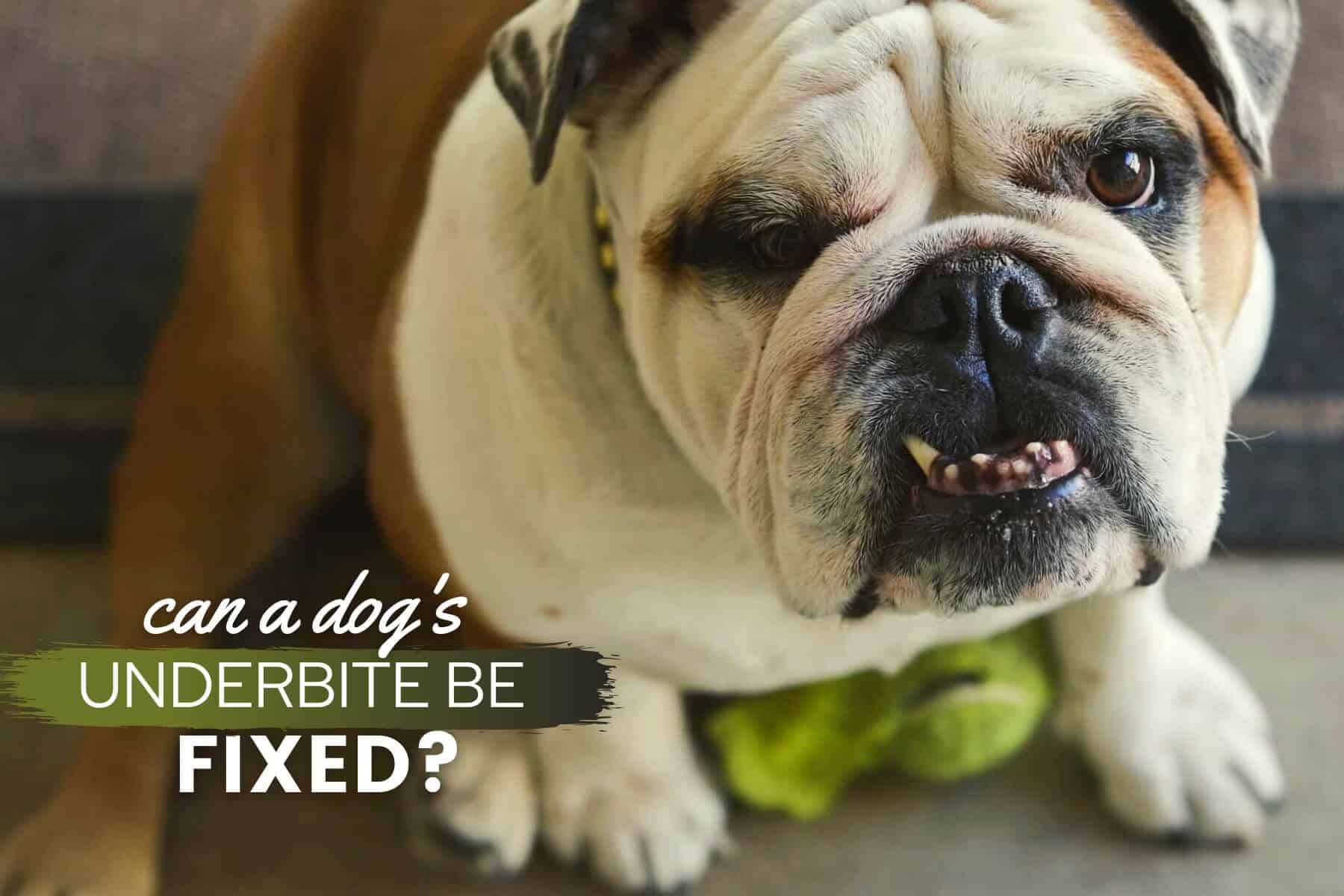
Underbite In Dogs Puppies Can It Be Fixed Correction Cost Treatment Canine Malocclusion Canine Bible

Teeth Orthodontic And Bite Problem Dogs Vetlexicon Canis From Vetlexicon Definitive Veterinary Intelligence

Orthodontics In Animals Offices In San Mateo County
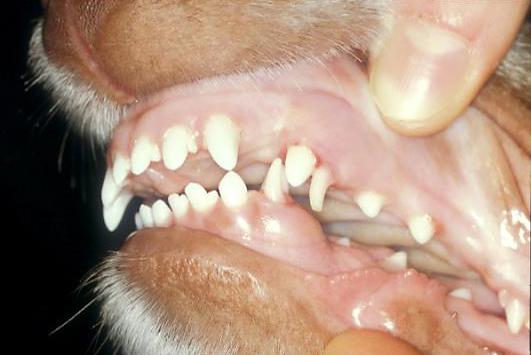
Deciduous Dog Teeth

Pediatric Dentistry Mspca Angell
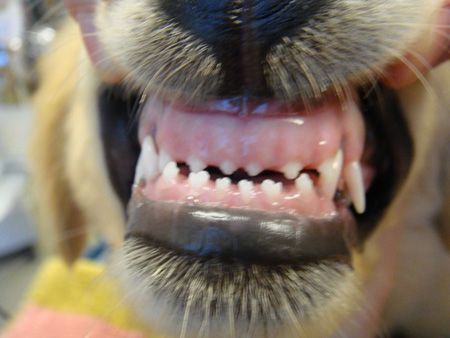
Identifying Problems Early In A Puppy Or Kitten Mouth
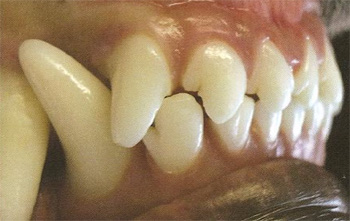
Feature Oral Health Issues In The Dog Developmental Abnormalities Malocclusions By David E Hansen Dvm Favd Davdc

Im3 Case Study Management Of A Traumatic Class Ii Malocclusion In A 6mth Old Labrador Dog Blog Post
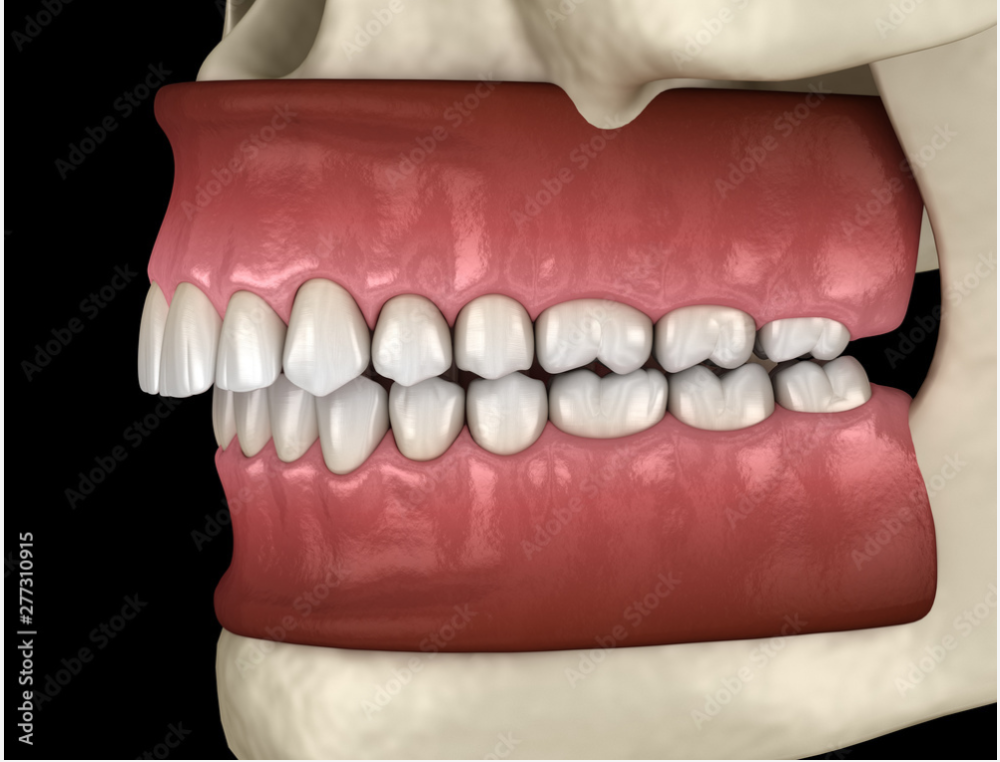
What Is A Class 2 Malocclusion Dental Information
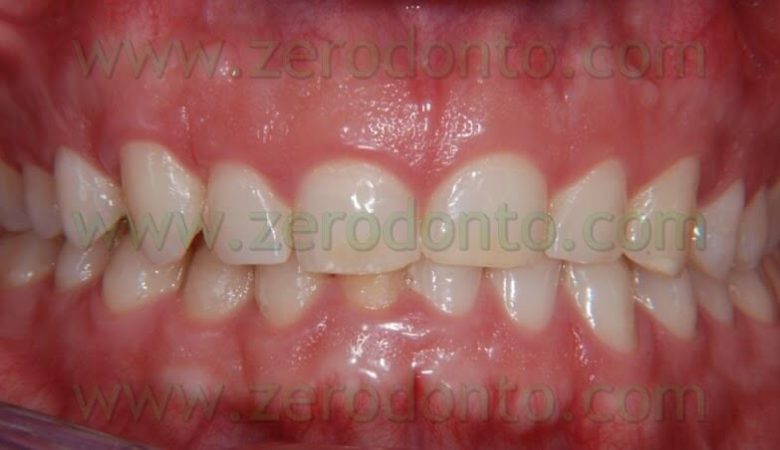
A First Class Malocclusion Characterized By Deep Bite And The Upper Right Impacted Canine Dr Anna Mariniello Dr Fabio Cozzolino Zerodonto

Defining Dental Malocclusions In Dogs Is The First Step Toward Treatment

Pdf Diagnosis And Management Of Class Ii Malocclusion

Recognising Malocclusion In Dogs And Cats Veterinary Practice
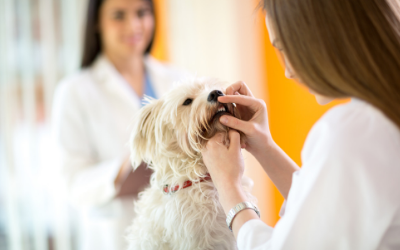
Malocclusions In Dogs When Teeth Dont Align Vca Animal Hospital

Maxillary Canine Tooth Extraction For Class 2 Malocclusion In A Dog Semantic Scholar